


 Japanese


メタディスクリプション
エンタープライズ ストレージ ソリューションを設計する方法を学びます。このガイドでは、SAN、NAS、SSD、RAID、およびスケーラブルで安全なデータ ストレージ インフラストラクチャを構築するためのベスト プラクティスについて説明します。
最新の IT インフラストラクチャ向けエンタープライズ ストレージ ソリューション ガイド
今日のデジタル経済において、データは企業にとって最も価値のある資産の 1 つとなっています。
金融取引から医療記録やクラウド アプリケーションに至るまで、企業は安全でスケーラブルな高性能ストレージ システムに大きく依存しています。
最新のエンタープライズ ストレージ システムは、仮想化、データベース、クラウド ワークロードをサポートするために、Dell Technologies や Hewlett Packard Enterprise のサーバー インフラストラクチャと並行して導入されるのが一般的です。
このガイドでは、最新の IT 環境向けに信頼性の高いエンタープライズ ストレージ ソリューションを設計する方法について説明します。

1. エンタープライズ ストレージ ソリューションとは何ですか?
エンタープライズ ストレージ ソリューションとは、ビジネス データを保存、管理、保護するために使用される集中システムを指します。
以下をサポートします。
- 仮想マシン
- データベース
- ファイル共有システム
- バックアップと災害復旧
- クラウドアプリケーション
エンタープライズ ストレージはデータセンター インフラストラクチャの重要な部分です。
2. エンタープライズ ストレージ システムの種類
1. SAN (ストレージエリアネットワーク)
SAN は、ブロックレベルの高速ストレージ アクセスを提供します。
利点:
- 高性能
- 低遅延
- 仮想化に最適
使用例:
- VMware環境
- データベースシステム
- ミッションクリティカルなアプリケーション
2. NAS (ネットワーク接続ストレージ)
NAS は、ネットワーク経由でファイル レベルのストレージを提供します。
利点:
- 簡単な導入
- 費用対効果の高い
- シンプルなファイル共有
使用例:
- ファイルサーバー
- コラボレーションシステム
- バックアップストレージ
3. DAS (ダイレクトアタッチドストレージ)
DAS はサーバーに直接接続されます。
利点:
- シンプルなアーキテクチャ
- 高性能
- 低コスト
使用例:
- 中小企業
- 専用のワークロード
3. ストレージメディアの種類
最新のエンタープライズ ストレージ システムでは、さまざまな種類のドライブが使用されます。
HDD(ハードディスクドライブ)
- 大容量
- 低コスト
- パフォーマンスの低下
SSD (ソリッド ステート ドライブ)
- 高性能
- 低遅延
- エンタープライズワークロードに最適
NVMe SSD
- 超高性能
- AIと仮想化に最適
- 高IOPSワークロードに最適
4. エンタープライズ ストレージ システムの RAID
RAID はパフォーマンスとデータ保護に不可欠です。
一般的な RAID レベル:
- RAID 10 → 最高のパフォーマンス + 冗長性
- RAID 5 → バランスの取れたコストと効率
- RAID 6 → 耐障害性の強化
RAID 10 は、仮想化やデータベース システムなどの高性能エンタープライズ環境で広く使用されています。
5. 仮想化のストレージ要件
VMware vSphere などの仮想化環境では、ストレージが重要な役割を果たします。
推奨されるストレージ設計:
- アクティブなワークロード用のNVMe SSD
- RAID 10構成
- 高いIOPSパフォーマンス
- 低遅延アーキテクチャ
主な要件:
ストレージのパフォーマンスは、仮想マシンの応答性とシステムの安定性に直接影響します。
6. エンタープライズデータベースのストレージ要件
データベース システムには次のものが必要です。
- 高い読み取り/書き込み速度
- 低遅延
- 強力な冗長性
推奨されるセットアップ:
- NVMe SSD
- RAID 10 または RAID 5
- 高性能SANストレージ
7. バックアップ システムのストレージ要件
バックアップ システムは速度よりも容量を優先します。
推奨されるセットアップ:
- HDDベースのストレージ
- RAID 5 または RAID 6
- NASアーキテクチャ
これにより、コスト効率の高い長期的なデータ保持が保証されます。
8. エンタープライズストレージアーキテクチャの設計
最新のエンタープライズ ストレージ アーキテクチャには通常、次のものが含まれます。
- プライマリストレージ (NVMe SSD SAN)
- セカンダリストレージ(SSD/SASハイブリッド)
- バックアップストレージ(NAS/HDDシステム)
- クラウドストレージの統合
この階層化された設計により、パフォーマンス、冗長性、拡張性が保証されます。
9. エンタープライズサーバーとのストレージ統合
エンタープライズ ストレージ システムは多くの場合、サーバー インフラストラクチャと統合されています。
Dell Technologies および Hewlett Packard Enterprise のサーバーのサポート:
- SAN接続
- RAIDコントローラー
- 高速NVMeストレージ
- ハイブリッドストレージ構成
適切な統合により、最適なシステムパフォーマンスが保証されます。
10. よくあるストレージ設計の間違い
多くの企業は次のような重大な間違いを犯しています。
- 仮想化ワークロードに HDD を使用する
- RAID 構成の無視
- 不十分な IOPS 計画
- バックアップ戦略の欠如
- スケーラビリティが低い設計
これらの間違いは、システムのダウンタイムやデータ損失のリスクにつながる可能性があります。
11. エンタープライズストレージの将来のトレンド
エンタープライズ ストレージは次の方向に進化しています。
- オールフラッシュストレージシステム
- NVMe オーバー ファブリック (NVMe-oF)
- ハイブリッドクラウドストレージ
- AI を活用したストレージ管理
- 高密度ストレージアレイ
これらのテクノロジーにより、パフォーマンスと拡張性が向上します。
結論
最新の IT インフラストラクチャには、適切に設計されたエンタープライズ ストレージ ソリューションが不可欠です。
主な要素には次のようなものがあります。
- ストレージタイプの選択 (SAN、NAS、DAS)
- RAID構成
- SSDとNVMeのパフォーマンス
- スケーラビリティ計画
- サーバーインフラストラクチャとの統合
Dell Technologies と Hewlett Packard Enterprise のエンタープライズ ソリューションは、グローバル ビジネスに信頼性と拡張性の高いストレージ アーキテクチャを提供します。
よくある質問 (FAQ)
エンタープライズストレージは何に使用されますか?
エンタープライズ ストレージは、データ管理、仮想化、データベース、バックアップ システムに使用されます。
仮想化に最適なストレージは何ですか?
仮想化環境には、RAID 10 構成の NVMe SSD が推奨されます。
SAN と NAS とは何ですか?
SAN はブロック レベルのストレージを提供し、NAS はファイル レベルのストレージを提供します。
ストレージ システムに RAID は必要ですか?
はい、RAID はパフォーマンスを向上させ、データの冗長性を提供します。
お問い合わせ
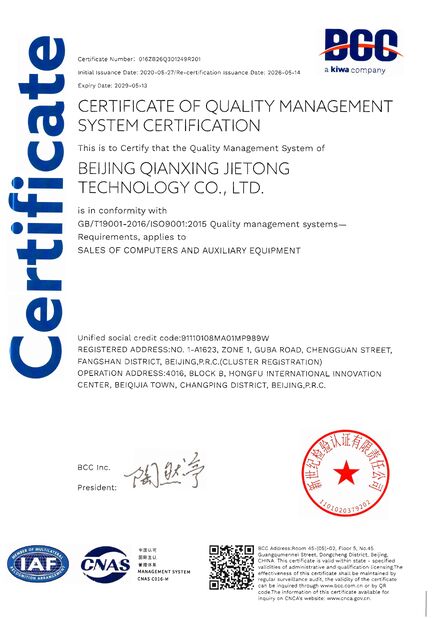
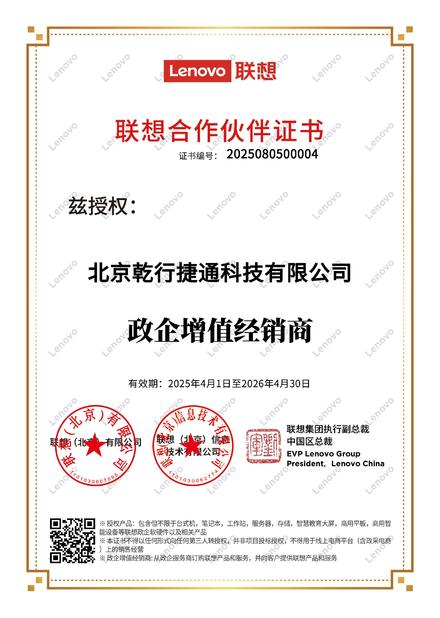
北京 Qianxing Jietong Technology Co., Ltd. は、次のようなエンタープライズ ストレージ ソリューションを提供しています。
- SAN / NAS ストレージ システム
- RAIDストレージ設計
- デルと HPE の統合ソリューション
- 仮想化ストレージアーキテクチャ
- グローバル企業向けITインフラストラクチャの供給
お客様のビジネスに合わせてカスタマイズされたエンタープライズ ストレージ ソリューションを設計するには、今すぐお問い合わせください。
北京乾興解放科技有限公司
サンディ・ヤン/グローバル戦略ディレクター
WhatsApp / WeChat: +86 13426366826
電子メール: yangyd@qianxingdata.com
ウェブサイト: www.qianxingdata.com/www.storagesserver.com
ビジネスの焦点:
ICTプロダクト流通/システムインテグレーション&サービス/インフラソリューション
20 年以上の IT 流通経験を持つ当社は、主要な世界的ブランドと提携して、信頼性の高い製品とプロフェッショナルなサービスを提供しています。
「テクノロジーを活用してインテリジェントな世界を構築する」信頼できる ICT 製品サービス プロバイダー!