logo
ホーム 事例

RAID 5 vs RAID 10: Which RAID Is Best for Business Servers?

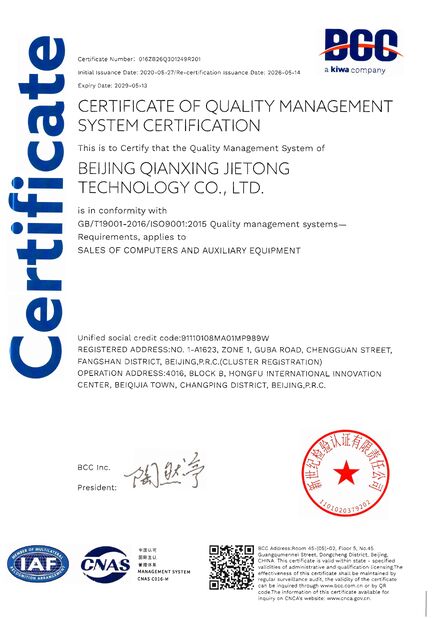
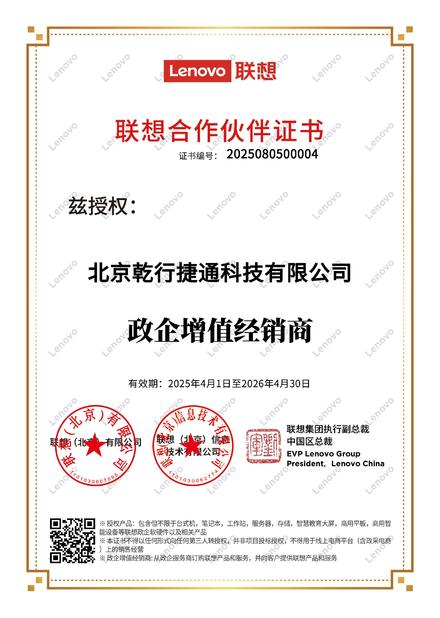
認証
中国 Beijing Qianxing Jietong Technology Co., Ltd. 認証
顧客の検討
北京Qianxing Jietongの技術Co.、株式会社の販売スタッフは非常に専門および忍耐強い。それらは引用語句をすぐに提供してもいい。プロダクトの質そして包装はまた非常によい。私達の協同は非常に滑らかである。

—— 《のFestfing DVの》 LLC

私がIntel CPUおよび東芝SSDを緊急に捜していたときに、北京Qianxing Jietongの技術Co.、株式会社からのサンディは私に多くの助けを与え、私に私がすぐに必要としたプロダクトを得た。私は実際に彼女を認める。

—— キティ円

北京Qianxing Jietongの技術Co.、株式会社のサンディは私がサーバーを買う時間の構成間違いを私に思い出させることができる非常に注意深いセールスマンである。エンジニアはまた非常に専門で、すぐにテスト プロセスを完了できる。

—— Strelkin Mikhail Vladimirovich

北京千星捷通との仕事は大変満足しています。製品の品質は素晴らしく、納期も常に守られています。営業チームはプロフェッショナルで、忍耐強く、私たちの質問にすべて丁寧に対応してくれます。彼らのサポートに心から感謝しており、長期的なパートナーシップを期待しています。強くお勧めします!

—— アフマド・ナビド

品質: 提供者との素晴らしい経験. MikroTik RB3011は既に使用されていましたが,非常に良い状態で,すべてが完璧に動作しています. コミュニケーションは迅速でスムーズでした.そして私の懸念はすぐに解決されました信頼性の高いサプライヤーです 強くお勧めします

—— ゲラン・コレシオ

オンラインです

RAID 5 vs RAID 10: Which RAID Is Best for Business Servers?

May 19, 2026

Meta Description

Compare RAID 5 and RAID 10 for enterprise servers. Learn differences in performance, data protection, and cost to choose the best RAID configuration for business IT infrastructure.


RAID 5 vs RAID 10: Enterprise Storage Decision Guide

In modern enterprise IT infrastructure, data reliability and storage performance are critical factors that directly affect business continuity.

One of the most frequently discussed topics in server architecture is:

RAID 5 vs RAID 10 — which is better for business servers?

Both RAID levels are widely used in enterprise environments, including servers from Dell Technologies and Hewlett Packard Enterprise.

However, they serve different purposes depending on workload type, performance requirements, and budget considerations.


最新の会社の事例について RAID 5 vs RAID 10: Which RAID Is Best for Business Servers?  0


1. What is RAID in Enterprise Servers?

RAID (Redundant Array of Independent Disks) is a storage technology that combines multiple physical disks into a single logical unit to improve:

  • Performance
  • Data redundancy
  • Fault tolerance
  • Storage efficiency

Enterprise servers commonly use hardware RAID controllers to ensure stable and reliable performance.


2. What is RAID 5?

RAID 5 uses block-level striping with distributed parity.

How it works:

  • Data is split across multiple disks
  • Parity information is distributed
  • Requires at least 3 disks

Advantages:

  • Good balance of performance and storage efficiency
  • Lower cost compared to RAID 10
  • Can survive one disk failure

Disadvantages:

  • Slower write performance due to parity calculation
  • Longer rebuild time
  • Higher risk during rebuild process

Best Use Cases:

  • File storage systems
  • Backup servers
  • Low to medium workload environments

3. What is RAID 10?

RAID 10 combines mirroring (RAID 1) and striping (RAID 0).

How it works:

  • Data is mirrored across disks
  • Then striped for performance
  • Requires at least 4 disks

Advantages:

  • Excellent read and write performance
  • High redundancy and data protection
  • Fast rebuild time
  • Very stable under heavy workloads

Disadvantages:

  • Higher cost (50% storage efficiency)
  • Requires more disks

Best Use Cases:

  • Database servers
  • Virtualization environments
  • High-performance enterprise applications
  • Financial systems

4. RAID 5 vs RAID 10: Performance Comparison

Feature

RAID 5

RAID 10

Read Performance

Good

Excellent

Write Performance

Moderate

Excellent

Fault Tolerance

1 disk failure

Multiple disk failures (depending on mirror)

Rebuild Speed

Slow

Fast

Storage Efficiency

High

Medium

Cost Efficiency

Better

Higher cost


5. Reliability and Data Protection

Data protection is one of the most important considerations in enterprise storage design.

RAID 5:

  • Can handle a single disk failure
  • Risk increases during rebuild process
  • Not ideal for high-write environments

RAID 10:

  • Provides full disk mirroring
  • Much safer during disk failures
  • Preferred for mission-critical systems

Enterprise users in banking and virtualization environments typically prefer RAID 10 due to higher stability.


6. Performance in Virtualization Environments

In virtualization workloads such as VMware or Hyper-V, storage performance directly impacts virtual machine responsiveness.

RAID 5 in Virtualization:

  • Suitable for light workloads
  • May cause performance bottlenecks under heavy I/O

RAID 10 in Virtualization:

  • High IOPS performance
  • Better VM responsiveness
  • Stable under heavy workloads

This is why RAID 10 is commonly used in enterprise virtualization servers built on Dell Technologies and Hewlett Packard Enterprise platforms.


7. Cost Considerations

RAID 5:

  • Lower cost per usable TB
  • Suitable for budget-sensitive storage systems

RAID 10:

  • Higher hardware cost
  • Better long-term reliability and performance
  • Lower risk of downtime cost

In enterprise environments, downtime cost is often higher than hardware cost, making RAID 10 a preferred option.


8. Which RAID Should You Choose?

Choose RAID 5 if:

  • Budget is limited
  • Workload is mostly read-heavy
  • Data is not mission-critical
  • Backup systems are in place

Choose RAID 10 if:

  • You run virtualization platforms
  • You use database applications
  • You require high availability
  • Performance is a priority
  • Downtime is unacceptable

9. Recommended Enterprise RAID Configurations

Example 1: Virtualization Server

  • RAID 10
  • NVMe SSD storage
  • High IOPS workload support

Example 2: File Storage Server

  • RAID 5
  • SATA/SAS drives
  • Balanced cost-performance

Example 3: Database Server

  • RAID 10
  • High-speed SSD/NVMe
  • Low latency optimization

10. RAID in Modern Enterprise Servers

Modern enterprise servers from Dell Technologies and Hewlett Packard Enterprise support advanced RAID controllers that provide:

  • Hardware-level RAID processing
  • Hot-swappable disk support
  • Real-time monitoring
  • Automatic rebuild mechanisms

These features are essential for maintaining enterprise-grade uptime.


Conclusion

Both RAID 5 and RAID 10 are widely used in enterprise IT environments, but their applications differ significantly.

  • RAID 5 is suitable for cost-effective storage with moderate performance needs
  • RAID 10 is the preferred choice for high-performance, mission-critical enterprise systems

For most virtualization, database, and enterprise workloads, RAID 10 is strongly recommended due to its superior performance and reliability.


Frequently Asked Questions (FAQ)

Is RAID 10 better than RAID 5?

Yes, RAID 10 offers better performance and reliability, but at a higher cost.


Can RAID 5 be used for virtualization?

It can be used for light workloads, but RAID 10 is recommended for better performance.


Which RAID is safer for business data?

RAID 10 provides stronger data protection due to disk mirroring.


Does RAID replace backup?

No. RAID improves availability but does not replace proper backup strategies.


Contact Us

Beijing Qianxing Jietong Technology Co., Ltd. provides enterprise server and storage solutions including:

  • Dell & HPE Server Infrastructure
  • RAID Storage Design & Optimization
  • Virtualization Server Solutions
  • Data Center Deployment Support

Contact us today to get a customized storage and RAID configuration for your business needs.


 Beijing Qianxing Jietong Technology Co., Ltd.
Sandy Yang/Global Strategy Director
WhatsApp / WeChat: +86 13426366826
Email: yangyd@qianxingdata.com
Website: www.qianxingdata.com/www.storagesserver.com
Business Focus:
ICT Product Distribution/System Integration & Services/Infrastructure Solutions
With 20+ years of IT distribution experience, we partner with leading global brands to deliver reliable products and professional services.
“Using Technology to Build an Intelligent World”Your Trusted ICT Product Service Provider!

連絡先の詳細
Beijing Qianxing Jietong Technology Co., Ltd.

コンタクトパーソン: Ms. Sandy Yang

電話番号: 13426366826

私達に直接お問い合わせを送信 (0 / 3000)