logo
ホーム 事例

ASHRAE TC 9.9 Flags Four Ways Direct-to-Chip Cooling Loops Go Wrong

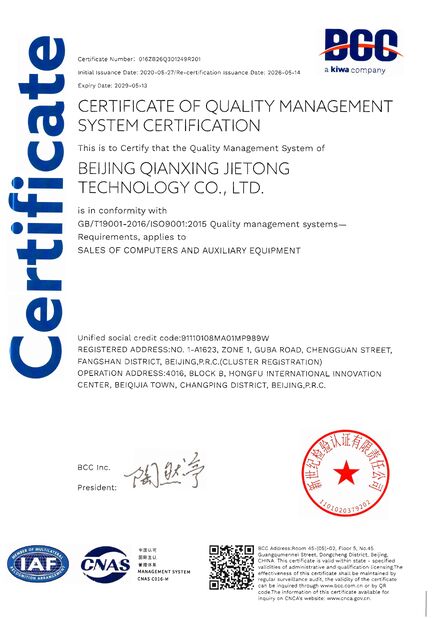
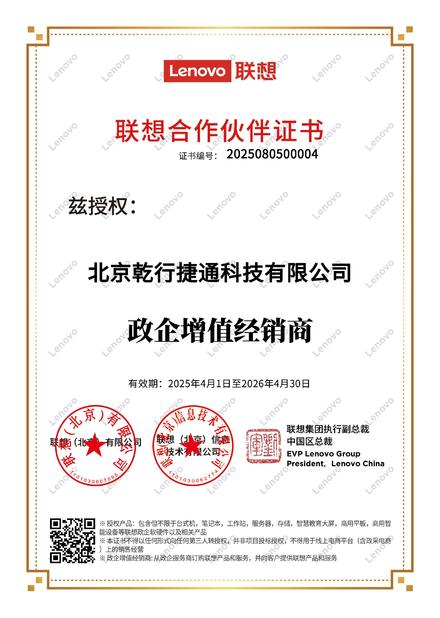
認証
中国 Beijing Qianxing Jietong Technology Co., Ltd. 認証
顧客の検討
北京Qianxing Jietongの技術Co.、株式会社の販売スタッフは非常に専門および忍耐強い。それらは引用語句をすぐに提供してもいい。プロダクトの質そして包装はまた非常によい。私達の協同は非常に滑らかである。

—— 《のFestfing DVの》 LLC

私がIntel CPUおよび東芝SSDを緊急に捜していたときに、北京Qianxing Jietongの技術Co.、株式会社からのサンディは私に多くの助けを与え、私に私がすぐに必要としたプロダクトを得た。私は実際に彼女を認める。

—— キティ円

北京Qianxing Jietongの技術Co.、株式会社のサンディは私がサーバーを買う時間の構成間違いを私に思い出させることができる非常に注意深いセールスマンである。エンジニアはまた非常に専門で、すぐにテスト プロセスを完了できる。

—— Strelkin Mikhail Vladimirovich

北京千星捷通との仕事は大変満足しています。製品の品質は素晴らしく、納期も常に守られています。営業チームはプロフェッショナルで、忍耐強く、私たちの質問にすべて丁寧に対応してくれます。彼らのサポートに心から感謝しており、長期的なパートナーシップを期待しています。強くお勧めします!

—— アフマド・ナビド

品質: 提供者との素晴らしい経験. MikroTik RB3011は既に使用されていましたが,非常に良い状態で,すべてが完璧に動作しています. コミュニケーションは迅速でスムーズでした.そして私の懸念はすぐに解決されました信頼性の高いサプライヤーです 強くお勧めします

—— ゲラン・コレシオ

オンラインです

ASHRAE TC 9.9 Flags Four Ways Direct-to-Chip Cooling Loops Go Wrong

August 31, 2026

ASHRAE TC 9.9, the technical committee responsible for key data‑center thermal guidelines, has released a free‑to‑download technical bulletin titled TCS Coolant Integrity and System Readiness Best Practices. Opening with an unusually stark warning for a standards‑body document: “It is too easy to violate direct‑to‑chip cooling system operational and warranty requirements.”


Published in May and hosted on the committee’s public document portal, the bulletin outlines four failure modes where Thermal Cooling System (TCS) performance deviates from design specifications. Issues remain hidden during commissioning and surface as hardware damage months later. The release coincides with widespread direct‑to‑chip liquid‑cooling adoption driven by high‑density AI processors.


最新の会社の事例について ASHRAE TC 9.9 Flags Four Ways Direct-to-Chip Cooling Loops Go Wrong  0


This subject was previously covered by Dell’s Tim Shedd on Podcast #152, addressing coolant chemistry, filtration and latent failures stemming from commissioning shortcuts, where he previewed the upcoming bulletin. Contributors include Shedd and Meraj Mohebi (Dell), Dustin Demetriou (IBM), Ashwin Siddarth (AMD), Chris Campbell (Vertiv), Vali Sorell (Oracle), plus engineers from Fluid2Chip and DLB Associates, reflecting cross‑industry shared pain points.


最新の会社の事例について ASHRAE TC 9.9 Flags Four Ways Direct-to-Chip Cooling Loops Go Wrong  1


Four Failure Paths


Coolant composition: Most single‑phase systems are engineered for a nominal 25 % propylene‑glycol (PG25) mix. Deviations alter viscosity, density, specific heat and thermal conductivity, cascading into shifted pressure drop, changed pump operating points, degraded heat‑exchanger performance and unstable CDU control. Glycol must satisfy TC 9.9 quality rules or OEM specifications. Mixing different coolants without impact assessment triggers a mandatory structured technical review.


Air management: Entrained air reduces heat transfer, causes pump cavitation and accelerates corrosion, while extending commissioning timelines. Degassing works best under high operating load temperatures, meaning air‑related faults may emerge weeks after go‑live. Guidance specifies air‑separator placement on the warm low‑pressure return near CDU inlets, venting at all high‑points, and avoidance of air‑trapping geometries: vertical dead legs, inverted U‑bends and unvented flexible hose sections.


Stainless‑steel passivation: Welding, grinding and on‑site fabrication destroy stainless steel’s protective chromium‑oxide layer. Without cleaning and re‑passivation complying with ASTM A380/A967 standards, free iron contaminates coolant and fouls cold‑plate microchannels and turbulators. The bulletin states explicitly: “An individual installed component that is NOT passivated can jeopardize the operation of the system.”


System pressure ratings: A complete hydraulic pressure‑cascade model is advised, covering steady‑state running, flush‑and‑fill pressures, static head, relief‑valve configuration and expansion‑tank pre‑charge, plus connection‑disconnection transients. It references IEC 62368‑1 requiring hydrostatic safety testing at 1.5× maximum working pressure. Relief‑valve set‑points must sit below OEM‑published thermal‑template maximum pressure to prevent costly IT‑equipment overpressure damage.


Operational field checklist


The latter portion delivers practical operational guidance drawn from real‑world experience. Coolant concentration and quality require laboratory validation at initial fill, after major fluid top‑ups and on a recurring schedule, with baseline fluid specifications included in project hand‑over documents. A noted caveat for vacuum filling: glycol blends may partially separate under vacuum; post‑fill laboratory sampling is required to confirm mixture uniformity. For air‑venting, automatic vents should be capped or valved off once the loop is confirmed air‑free.


 The document concludes with a field‑verification checklist mapping risks, validation steps, acceptable evidence and root‑cause context, readily reusable within commissioning QA workflows.


This bulletin complements TC 9.9’s 2024 Liquid Cooling: Resiliency Guidance for Cold Plate Deployments. It serves as informational guidance and does not override OEM requirements or local regulatory codes. Tim Shedd’s podcast episode offers supplementary conversational coverage of liquid‑cooling plumbing discipline.


Beijing Qianxing Jietong Technology Co., Ltd.
Sandy Yang/Global Strategy Director
WhatsApp / WeChat: +86 13426366826
Email: yangyd@qianxingdata.com
Website: www.qianxingdata.com/www.storagesserver.com
Business Focus:
ICT Product Distribution/System Integration & Services/Infrastructure Solutions
With 20+ years of IT distribution experience, we partner with leading global brands to deliver reliable products and professional services.
“Using Technology to Build an Intelligent World”Your Trusted ICT Product Service Provider!

連絡先の詳細
Beijing Qianxing Jietong Technology Co., Ltd.

コンタクトパーソン: Ms. Sandy Yang

電話番号: 13426366826

私達に直接お問い合わせを送信 (0 / 3000)